
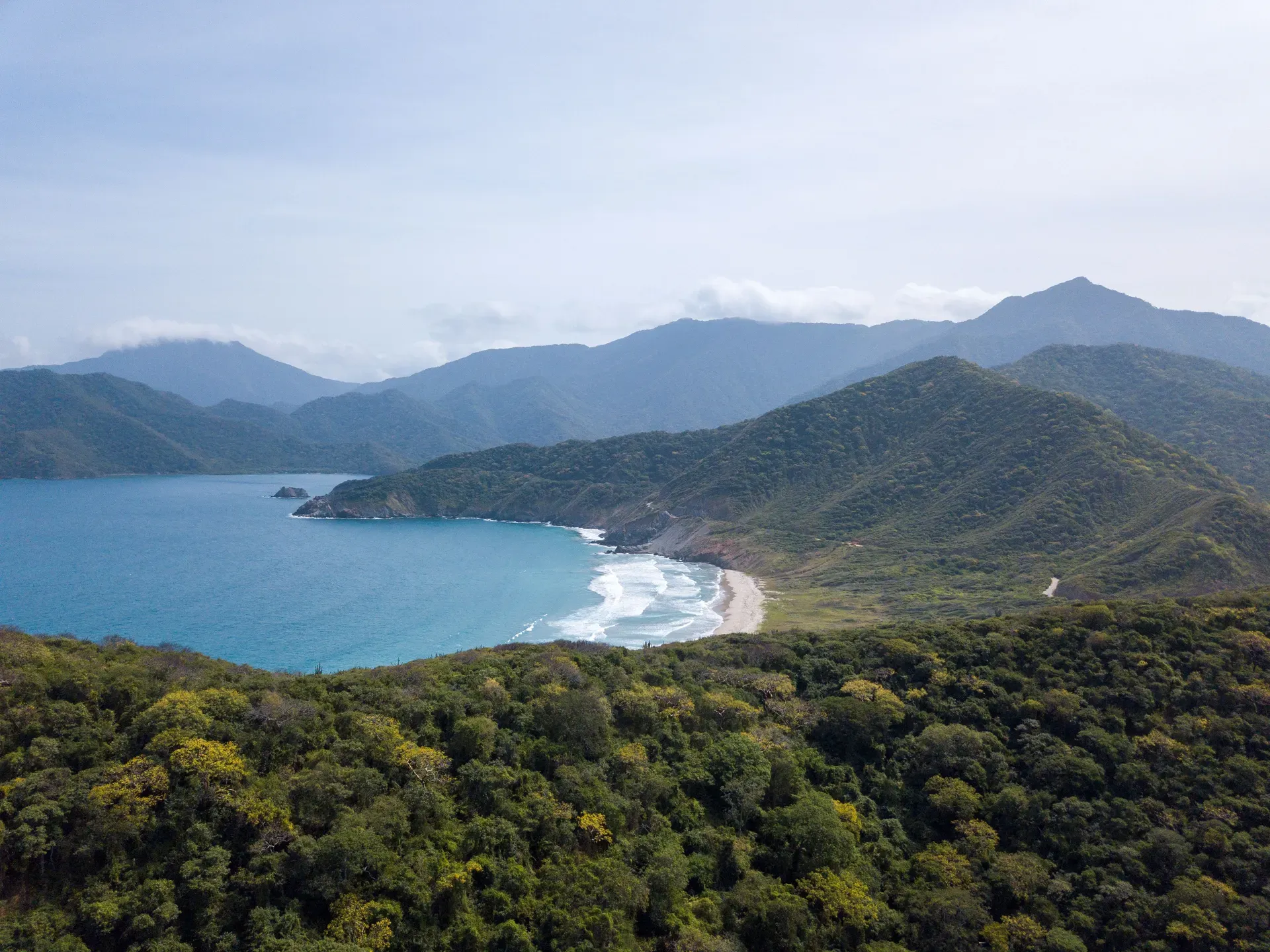
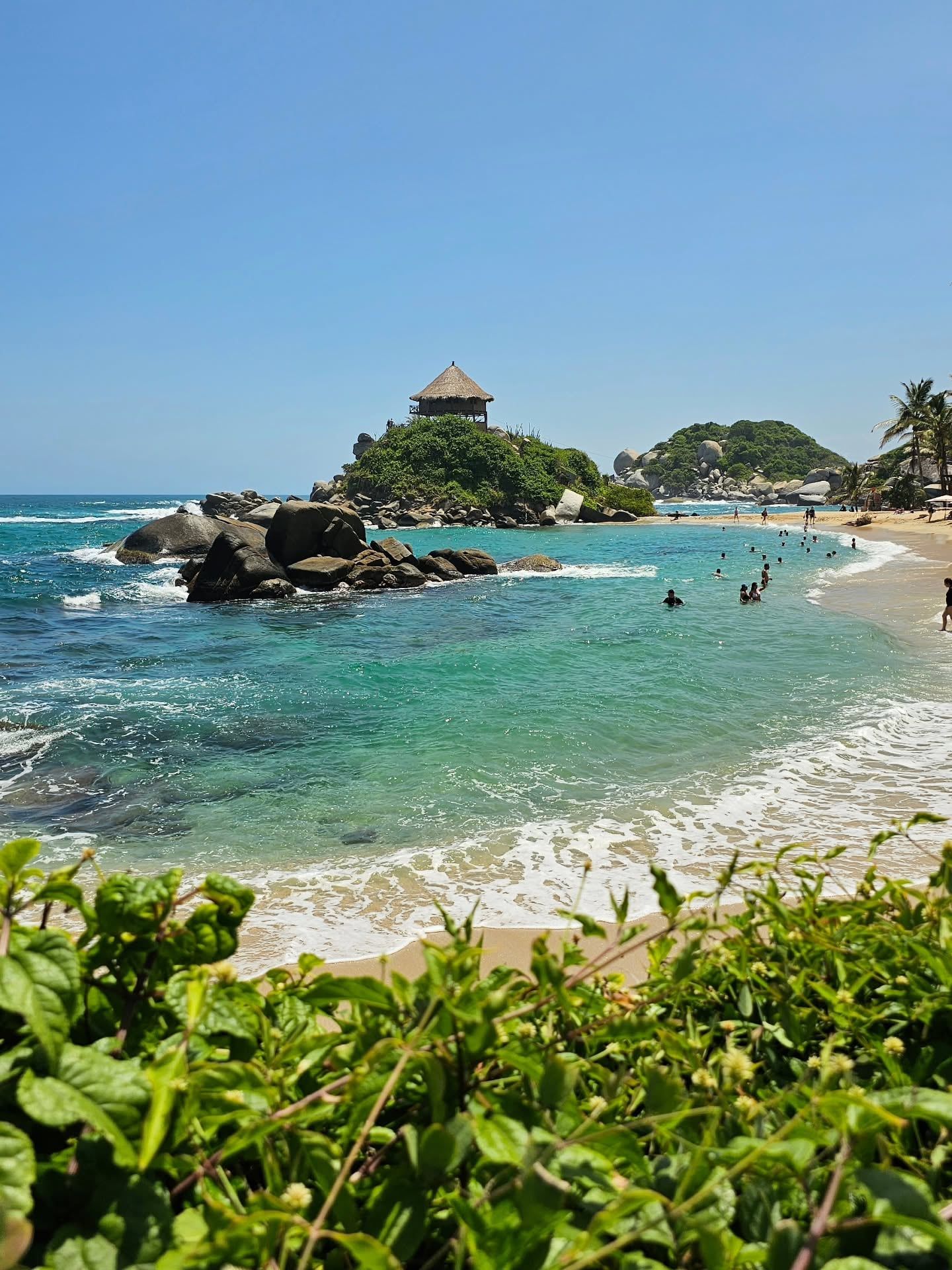
Tayrona National Park encompasses 150 square kilometers of dramatic coastal mountains, endangered dry tropical forests, and coral reefs. Hiking trails lead past wild caiman lagoons and over 250 ancient archaeological settlements before reaching the famous wooden lookout hut at Cabo San Juan del Guía.
Find Guided ToursTayrona National Natural Park is a protected ecological reserve located along the northern Caribbean coast of Colombia within the Department of Magdalena. As the country's second most visited national park, it covers 150 square kilometers of land and 30 square kilometers of maritime area. The physical geography features the dramatic foothills of the Sierra Nevada de Santa Marta, the highest coastal mountain range in the world, dropping directly into the sea. Elevations range from sea level up to 900 meters, creating diverse habitats that include mangrove swamps, cloud forests, and coral reefs.
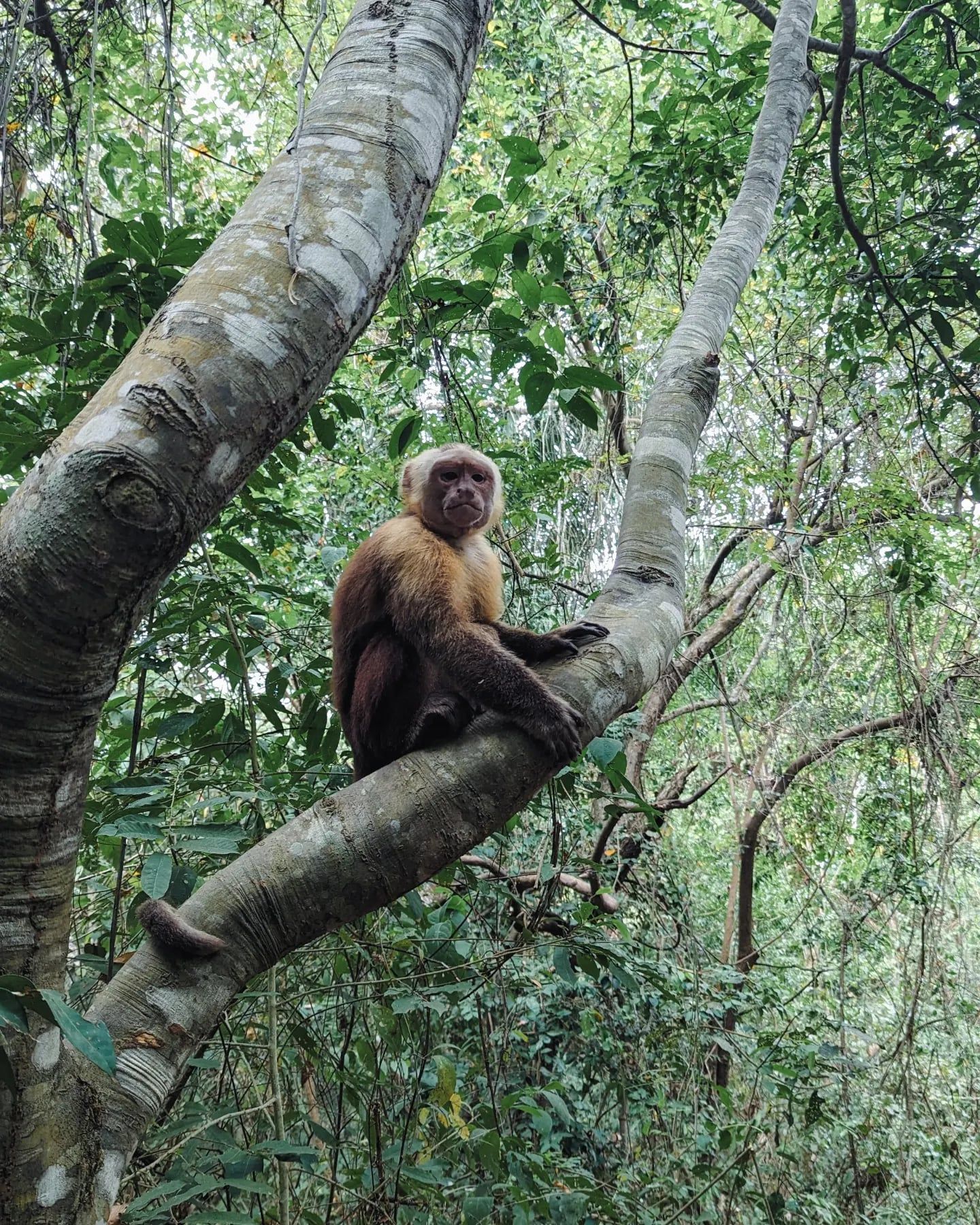
This extreme variation in altitude supports a dense concentration of biodiversity. The park protects highly endangered dry tropical forests and provides a habitat for over 105 mammal species, at least 300 bird species, and more than 70 bat species. Recognizing its ecological value, UNESCO nominated Tayrona as one of the five most important national parks globally.
Long before Spanish colonization, the Tairona civilization inhabited the region. They built extensive stone paths, agricultural terraces, and ceremonial sites throughout the terrain. Today, the park protects over 250 of these ancient archaeological settlements. It remains a sacred ancestral territory for indigenous communities, including the Kogui, Arhuaco, Wiwa, and Kankuamo people. These groups are connected to the sacred sites through a spiritual boundary known as the "Black Line" (Línea Negra).
Following Spanish oppression, the original Tairona populations were absorbed into the Encomienda system. Centuries later, the modern push for conservation began. The area was declared a park in 1964. Between 1968 and 1970, the national environmental agency worked to clear the land of over 200 settled peasant families. In 1969, the Colombian Institute for Agrarian Reform officially established the park under its 191st Law, ensuring the long-term preservation of its archaeological heritage and unique ecosystems.
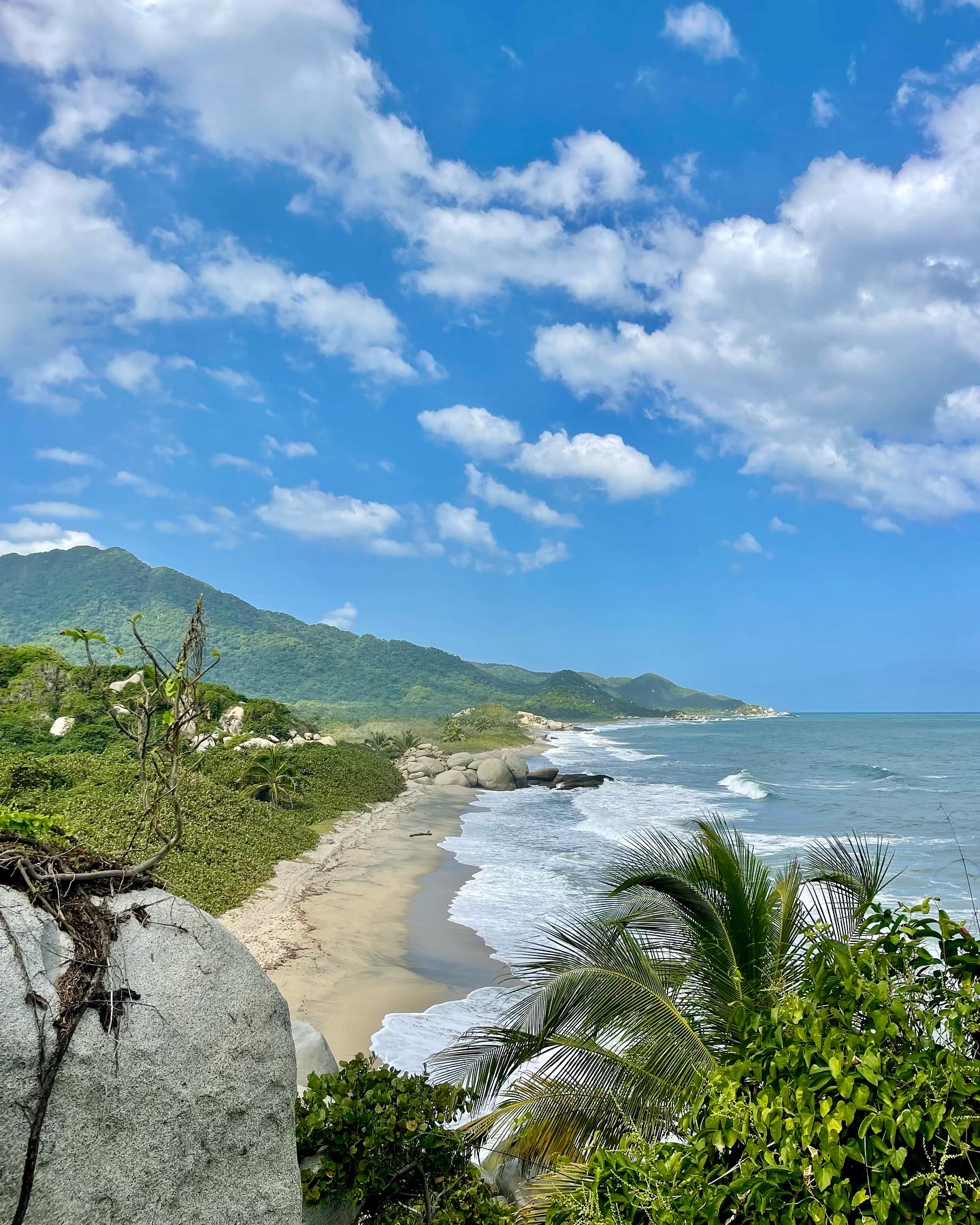
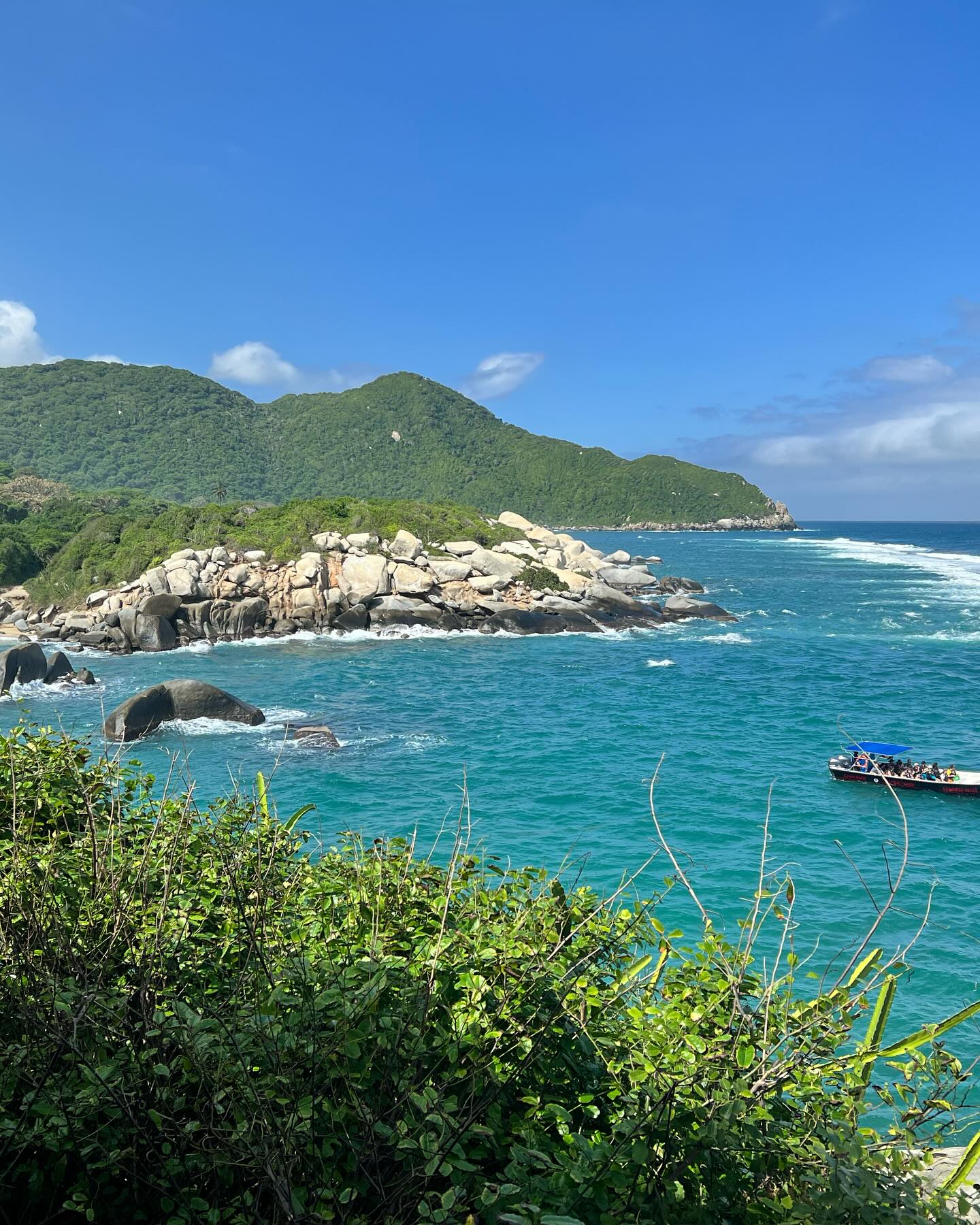
Discover the full history and cultural significance on our About page.
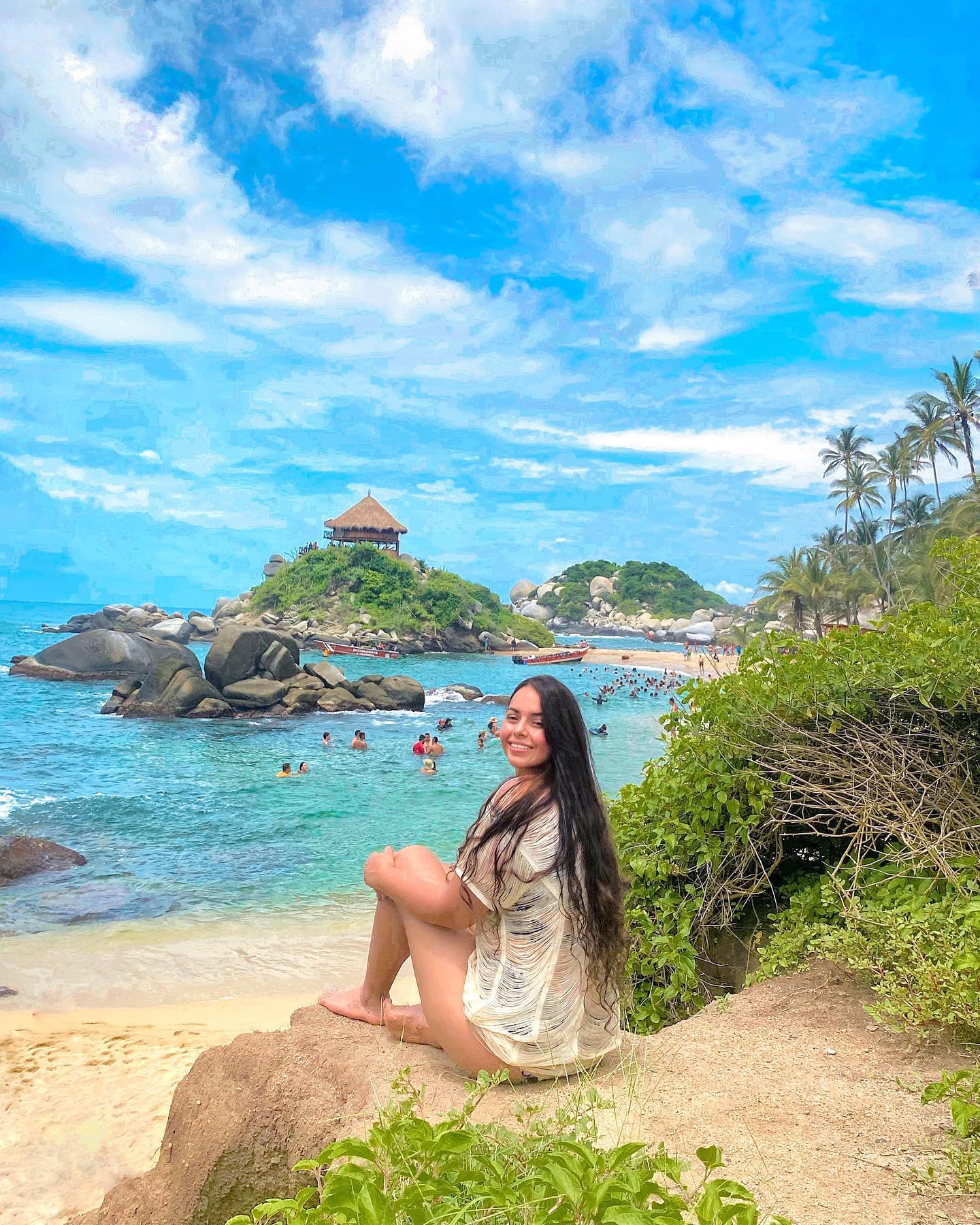
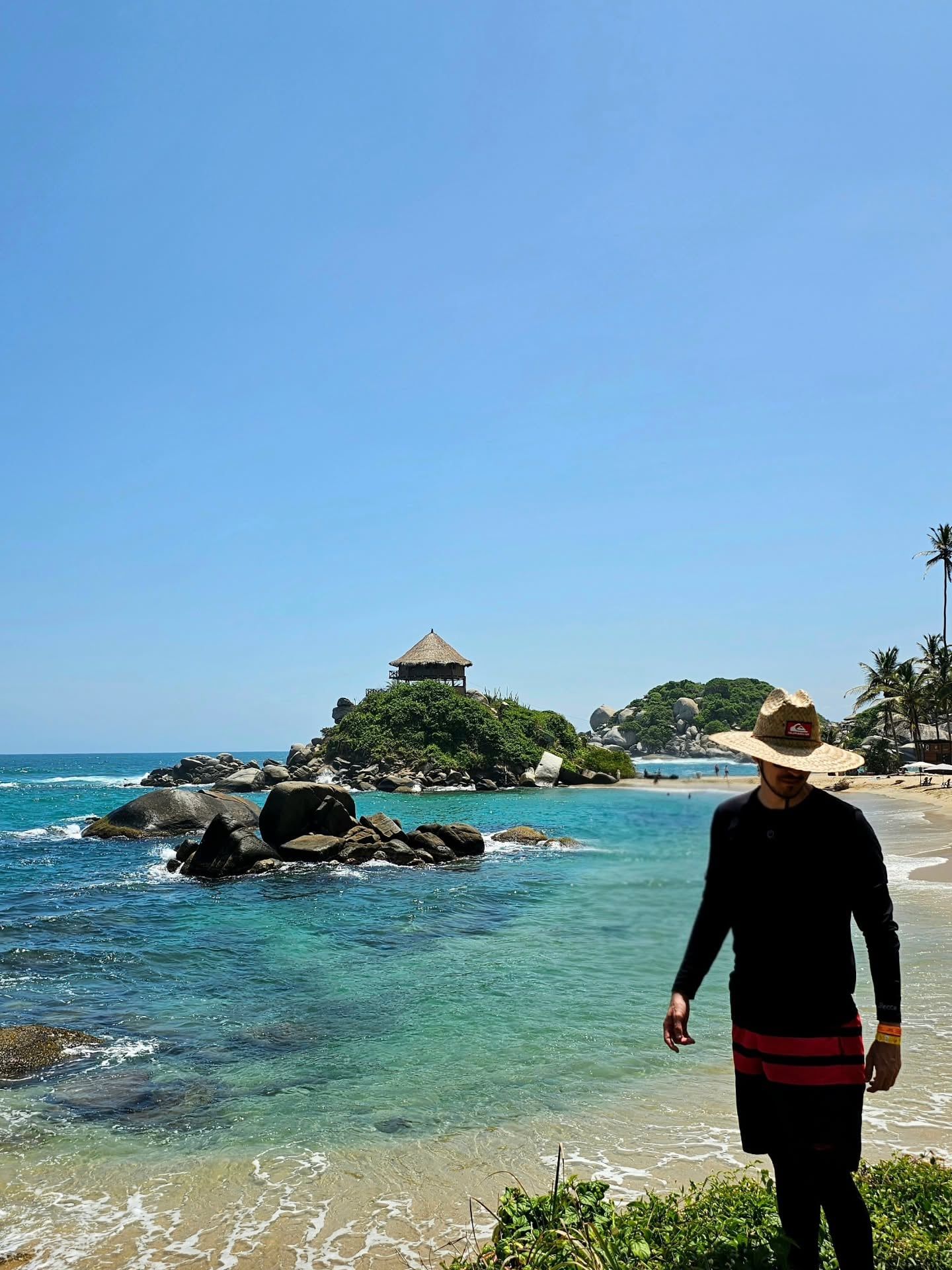
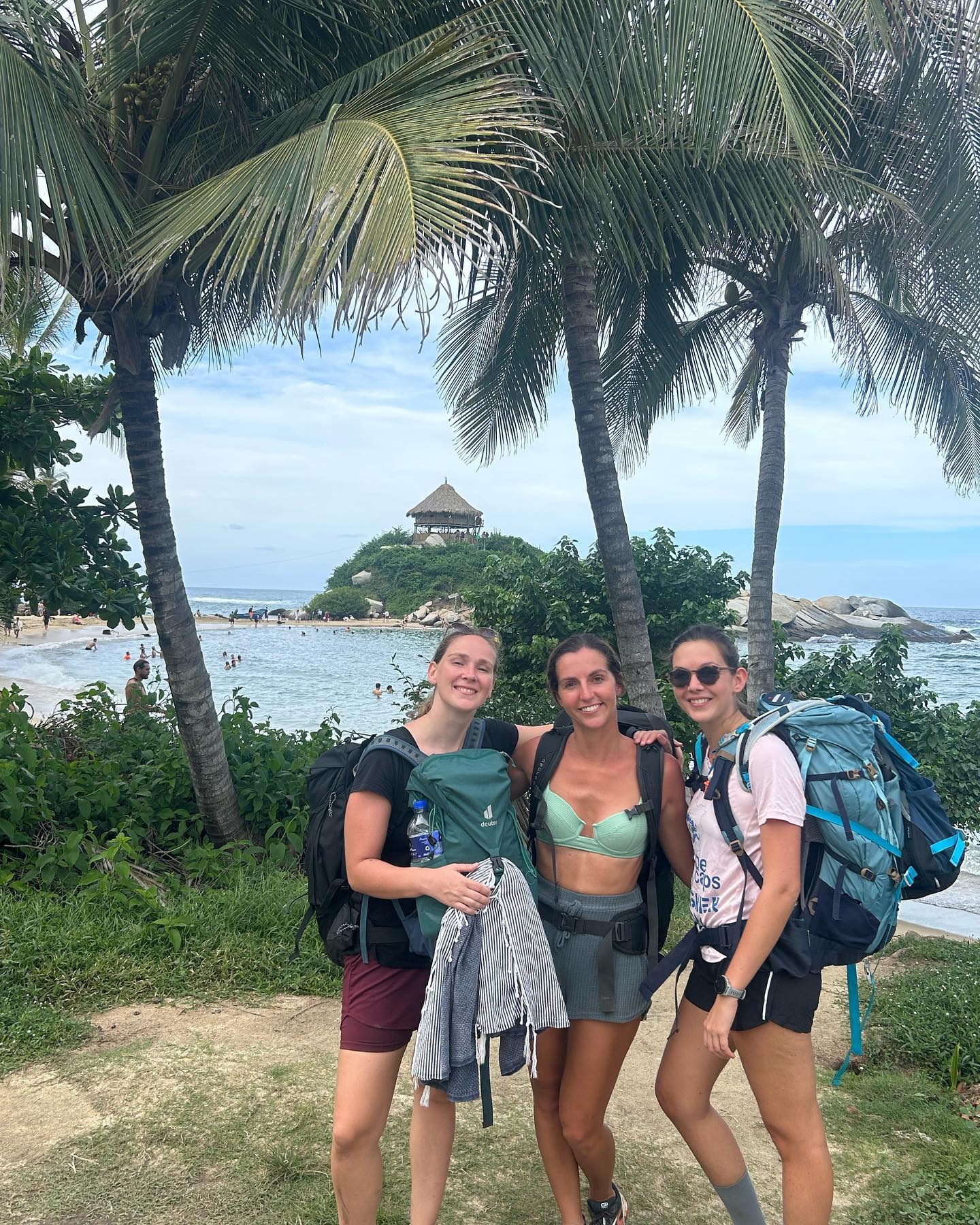
Rent a hammock at Cabo San Juan del Guía and spend the night in an iconic wooden lookout hut perched on a rocky hill. For COP 50,000 per night, you can sleep directly above the Caribbean Sea, waking up to turquoise waters and white sand.
Escape the dangerous coastal rip currents at La Piscina. This tranquil lagoon is sheltered by a natural barrier of coral reefs, creating calm, crystal-clear waters. It is the safest swimming area in the 150-square-kilometer park, making it ideal for relaxed snorkeling and families with children.
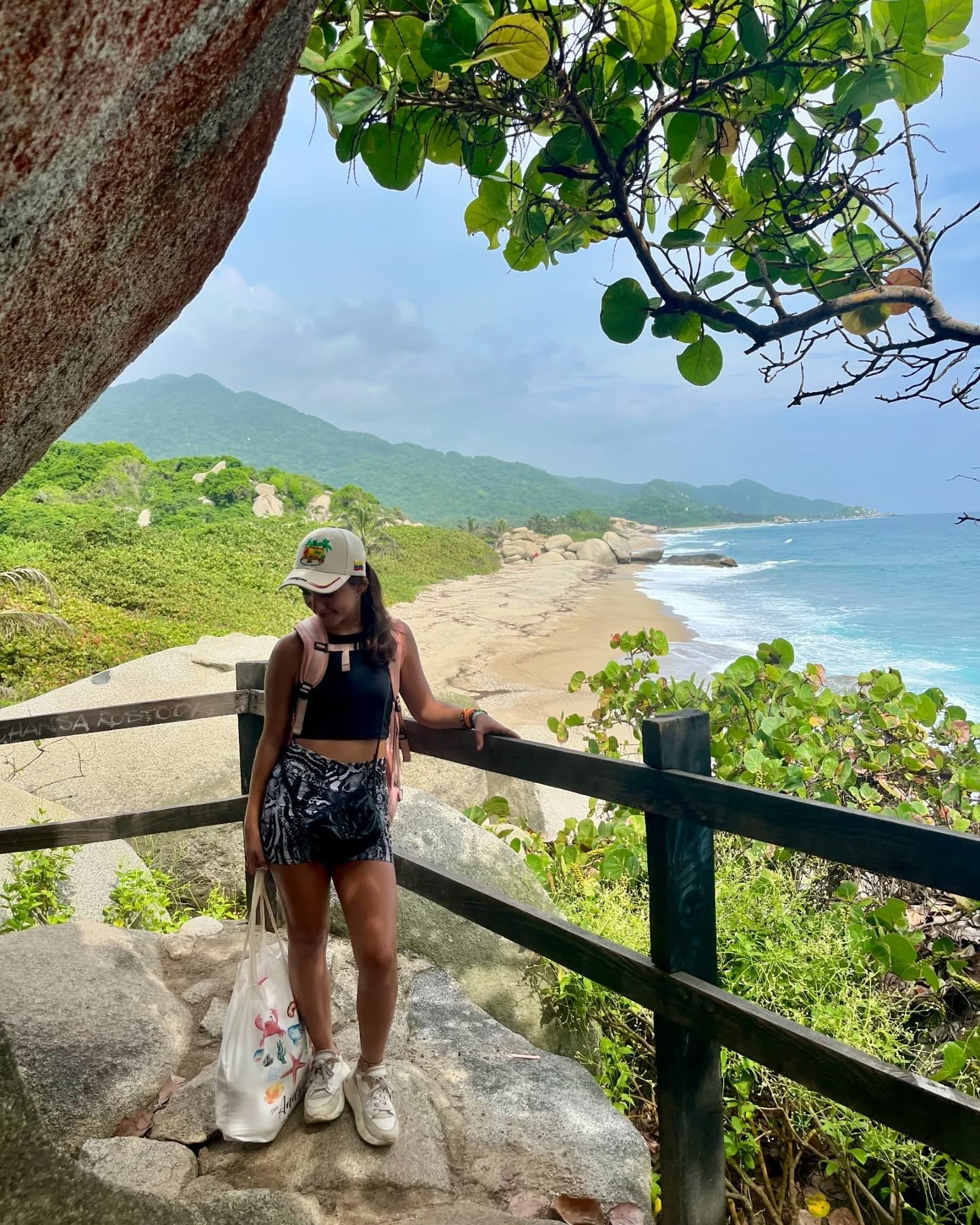
Walk the scenic Nueve Piedras circular route starting near the Cañaveral sector. The one-hour trek takes you through diverse coastal forests and past unique geological formations. At the summit, look out over the wild Caribbean coastline and the dramatic foothills of the Sierra Nevada de Santa Marta.
Before hiking into the jungle, visit the Chairama Archaeological Museum in the Cañaveral sector. Located near the Piedras River mouth, the permanent exhibit showcases pre-Hispanic artifacts from the ancient Tairona civilization, who built over 250 stone settlements across this sacred coastal territory prior to Spanish colonization.
Hand-picked tours with free cancellation and verified reviews
 Free Cancellation 8h
  Free Cancellation
  Free Cancellation
  Free Cancellation
  Free Cancellation 24h
  Free Cancellation 8h
  Free Cancellation
  Free Cancellation 3h
 The ideal time to visit is during the dry seasons from January to April and July to September, which provide lower rainfall and firmer hiking trails. Travelers must carefully plan around scheduled conservation closures and peak-season crowds in late December and mid-June.
March and April fall within the optimal dry season, offering lower rainfall and less muddy hiking trails. Note that the sea route is particularly rough and choppy through March.
The park completely closes from June 1 to 15. The subsequent period until July 15 brings massive crowds and inflated prices, though August offers excellent dry weather for hiking.
September provides excellent dry conditions with less mud on the trails. However, visitors must avoid the strict indigenous conservation closure from October 19 to November 2, when entry is prohibited.
This period is highly challenging. Mid-December through January brings massive peak-season crowds and long queues. Furthermore, the park completely closes to all tourists from February 1 to 15.
Tayrona National Park operates daily, with hours dependent on the season. During the low season, the park is open from 8:00 AM to 5:00 PM. In the high season, doors open at 7:00 AM and visitors must exit by 6:00 PM. Last entry is strictly enforced at 4:00 PM at the El Zaíno entrance and 2:00 PM at the Calabazo entrance. The park closes completely to all visitors three times a year for indigenous conservation and environmental recovery: February 1–15, June 1–15, and October 19–November 2.
| Category | Price |
|---|---|
| Foreign non-residents | COP $73,500 - $81,000 (Low Season) / COP $87,000 - $96,500 (High Season) |
| Colombian nationals, foreign residents, and CAN members (Adults 25+) | COP $33,000 - $36,500 (Low Season) / COP $39,000 - $43,000 (High Season) |
| Colombian nationals, foreign residents, and CAN members (Ages 5-25) | COP $24,500 - $27,500 (Low Season) / COP $27,500 (High Season) |
| Bahia Concha Sector (Foreigners) | COP $43,500 (Year-round) |
| Bahia Concha Sector (National Adults) | COP $26,000 (Year-round) |
| Bahia Concha Sector (Locals/Youth) | COP $11,500 - $15,000 (Year-round) |
| Children under 5, Colombian adults over 65, and qualifying handicapped visitors | Free |
A mandatory daily health insurance policy costing COP $5,000 to $8,000 must be purchased at the entrance. Tickets can be bought at the ticket booths upon arrival or in advance on the official website. Bring physical cash in Colombian Pesos (COP) to pay for insurance, services, and fees, as there are no ATMs inside the park or at the gates.
For complete schedules and ticket prices, visit our Hours & Fees page.
Visitors can reach Tayrona National Park via land transport from Santa Marta or by taking a direct boat from the nearby fishing village of Taganga. Land routes end at the main El Zaíno entrance, while the sea route drops passengers directly at Cabo San Juan beach.
📍 Santa Marta, Department of Magdalena, Colombia
Buses depart every 20 minutes from the intersection of Calle 11 and Carrera 11 in the Santa Marta Public Market. They travel directly to the main El Zaíno entrance of the park. This stands as the cheapest public transport option available for travelers. The 34-kilometer trip can take up to two hours depending on local traffic and the number of stops made along the way.
Hiring a private taxi from the Santa Marta city center or Taganga provides a direct and comfortable ride to the El Zaíno entrance. This 34-kilometer route is ideal for groups of three to four travelers who want to bypass crowded public buses. Splitting the fare makes it an efficient and reasonably priced alternative. The total travel time is generally around 45 minutes under normal traffic conditions.
A daily boat service departs from Taganga at 9:30 AM and travels directly to Cabo San Juan beach. The vessel returns at approximately 4:00 PM each afternoon. This route crosses very rough, choppy open waters, especially during the windy season from January to March. Passengers should expect to get wet and must protect their belongings in plastic bags during the one-hour crossing.
For detailed transport options and routes, visit our Directions page.
Aim to reach the El Zaíno gates before 7:00 AM during high season or 8:00 AM in low season. Arriving early helps you avoid massive ticket queues. It also allows you to complete the 7-kilometer hike to Cabo San Juan before the intense midday heat and humidity set in.
There are absolutely no ATMs inside the park or at the entrance gates. You must carry enough physical Colombian Pesos to cover all your expenses. Cash is required for the mandatory daily health insurance costing COP $5,000 to $8,000, hammock rentals, meals, and emergency transport.
Single-use plastics, including water bottles and plastic bags, are strictly prohibited and will be confiscated during bag searches at the gates. Pack a high-quality water filter bottle instead. This allows you to safely purify tap water during your stay, saving money while protecting the dry tropical forest ecosystem.
The route from the El Zaíno ticket booth to the Cañaveral trailhead follows an uninteresting paved road. You can skip this section by paying COP $3,000 to $5,000 for a 10-minute shuttle van ride. This saves over an hour of walking, which is especially helpful for conserving energy for the main jungle trails.
Dangerous rip currents exist along much of the coastline, making swimming strictly prohibited at beaches like Playa Arrecifes. You should only enter the water in designated safe zones such as La Piscina, which is protected by coral reefs. Additionally, stay completely out of freshwater lagoons to avoid wild caimans.
If you rent a hammock at Cabo San Juan for COP $40,000 to $50,000 per night, pack warm clothing and a sleeping bag liner. Coastal breezes make the evenings surprisingly chilly, especially in the exposed rock lookout. You will also need a flashlight to navigate the pitch-black campsite paths after sunset.
Palomino is a laid-back beach town located east along the coast. Visitors can float down the Palomino River on inner tubes through the jungle until reaching the Caribbean Sea. The slow-paced lifestyle makes it an excellent coastal retreat.
This traditional fishing village serves as a major hub for scuba diving and boat departures to Tayrona. It features budget-friendly accommodations and beachfront restaurants. Travelers often stay here to watch the sunset over the harbor.
Located in the foothills of the Sierra Nevada de Santa Marta, this mountain village provides a cool escape from the coastal heat. Travelers come here to tour organic coffee farms. The area also features refreshing waterfalls and world-class birdwatching opportunities.
Read what travelers share about their experience visiting Tayrona National Park — from practical tips to personal highlights.
Foreign non-residents pay COP $73,500 to $81,000 during the low season, and COP $87,000 to $96,500 in the high season. Visitors must also purchase a mandatory daily health insurance policy at the entrance, which costs COP $5,000 to $8,000 per day.
The park completely closes three times a year for indigenous spiritual cleaning and environmental recovery. These scheduled conservation closures run from February 1 to 15, June 1 to 15, and October 19 to November 2.
Low season hours are 8:00 AM to 5:00 PM, while high season hours extend from 7:00 AM to 6:00 PM. Last entry is strictly enforced at 4:00 PM at the main El Zaíno entrance and 2:00 PM at the Calabazo entrance.
Buses depart every 20 minutes from the Santa Marta Public Market, taking 90 minutes and costing COP $7,000 to $10,000. Alternatively, a private taxi covers the 34-kilometer distance in 45 minutes for COP $80,000 to $100,000.
Tourists cannot bring single-use plastics, plastic bags, alcohol, drugs, drones, musical instruments, surfboards, or pets. Park rangers search backpacks at the entrance gates and will confiscate any banned items.
There are absolutely no ATMs inside the park boundaries or at the entrance gates. You must bring enough physical Colombian Pesos (COP) to cover mandatory insurance, shuttle vans, food, and accommodation rentals.
Wheelchair access is highly limited due to steep jungle trails and sandy terrain. However, visitors over 65 receive free entry and can hire horses or pay COP $3,000 to $5,000 for a shuttle van to bypass the initial paved road walk.
No. Swimming is strictly prohibited at beaches like Playa Arrecifes due to extremely dangerous rip currents that have claimed hundreds of lives. You should only swim in designated safe zones like La Piscina and Cabo San Juan.
Browse verified tours with free cancellation and instant confirmation.
Find Tours